Card points
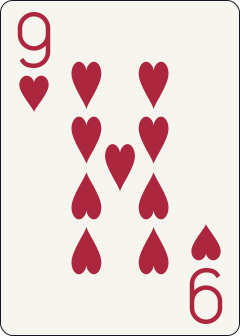
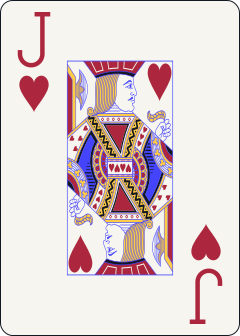
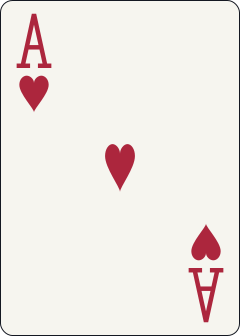
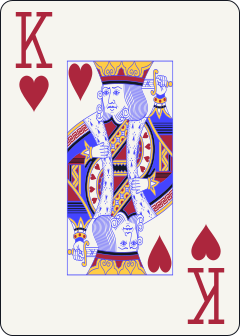
Trump J 20, 9 14, A 11, 10 10, K 4, Q 3; 8 and 7 zero. Plain A 11, 10 10, K 4, Q 3, J 2; 9, 8 and 7 zero. There are 152 card points, plus 10 for the last trick: dix de der.
Announcements
Sequences use ordinary 7 8 9 10 J Q K A order. Three cards (tierce) score 20; four (quarte) 50; five or more (quinte) 100. A carré of jacks scores 200, nines 150, aces/tens/kings/queens 100. Sevens and eights do not count. A card cannot serve in both a square and a sequence; the table chooses the highest total and displays declarations after the first trick.
Only the team with the best declaration scores its declarations. Higher value wins; a carré wins an equal value; sequences compare top card, then trump, then earlier player in the counter-clockwise bidding order. Belote can overlap and always counts.
Made, inside, litige, capot
The taker needs more total points than the defenders, including announcements and belote. Made: both sides bank their totals. Inside (dedans): defenders get all 162 card points and both teams’ scoring announcements; the takers keep only belote. Equal totals mean litige: defenders bank theirs, the taker’s share waits for the next decisive hand’s winning team.
All eight tricks are capot: 252 card points instead of 162, plus the winning team’s announcements and belote. When defenders capot the taker, the taker’s announcements also transfer. The other side keeps belote. This table uses the traditional 252 rule, rather than the common rounded 250 variant.
First to 501, or 1001 in Options, after a hand. If both cross the target, the higher total wins; ties require another hand. Pending litige is discarded if a match ends before it is paid.

 HopPool
 HopGolf
 HopParkour
 HopSmash