HeartsPractice
Your table is ready

Take a seat.

Pass three cards, avoid points, and watch for the moon.

Y
YouReady to play
0pts

Practice against the computer

FREE ONLINE CARD GAME

Play Hearts Online

Pass three cards.
Dodge the queen.

Play classic Hearts free against three computer opponents with no download or sign-up. Pass three cards, avoid the hearts and the Queen of Spades, and finish lowest when someone reaches 100. Choose Easy, Standard or Expert.

Classic Hearts · 4 seats · Lowest score at 100 wins

Updated

New to Hearts? Learn the rules

THIRTEEN CARDS EACH

Hearts rules

Four players, no partners and no trump. Keep your score low, or collect every penalty card to shoot the moon.

Play a practice hand ↑
01

Choose three cards to pass

Deal all 52 cards, thirteen each. Pass any three to the left on hand one, right on hand two, across on hand three. Hold your cards on hand four, then repeat. The exchange waits for all four choices; pending selections stay private. Options can remove passing.

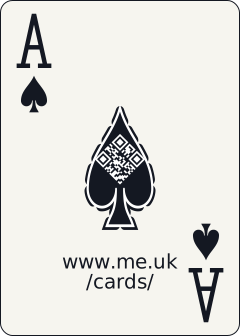
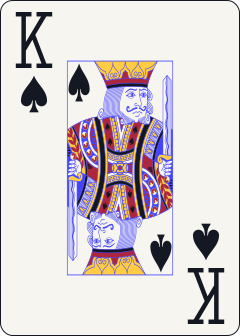
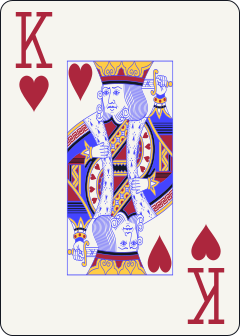
Ace of spades to passKing of spades to passKing of hearts to pass

Three cards go together after everyone chooses.

02

Start with the 2 of clubs

Whoever holds 2♣ after passing leads it. Play clockwise and follow suit when possible. The highest card of that suit takes the trick and leads next. On the first trick, a player without clubs cannot discard a heart or Q♠ while holding a non-penalty card. A hand made entirely of penalty cards is the exception.

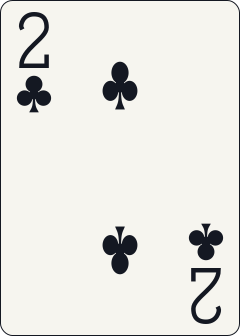
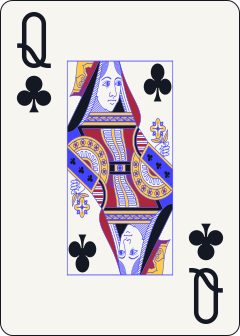
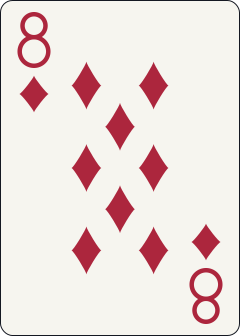
Two of clubs opening leadQueen of clubs follows clubsEight of diamonds is a safe discard if void in clubs

The opening club fixes the first led suit.

03

Break hearts before leading them

After the first trick, a player unable to follow may discard a heart. That breaks hearts for later leads. Until then, lead another suit unless your whole hand is hearts. At this table Q♠ alone does not break hearts; some other tables use that variant.

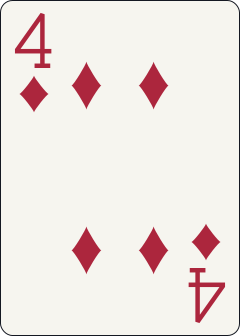
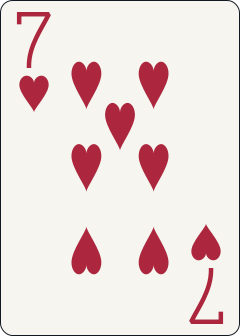
Four of diamonds leadsA player void in diamonds discards seven of hearts

A heart breaks the restriction, not the queen.

04

Shoot the moon

Taking all thirteen hearts and Q♠ changes the hand's score. The default gives 26 to each opponent and zero to the shooter. If one penalty card goes elsewhere, it is an ordinary hand. Taking all thirteen tricks has no extra sun bonus here.

A heart among the thirteen collectedQueen of spades completes the penalty collection

The queen and every heart must belong to one player.

LOWEST TOTAL WINS

Hearts scoring

A normal hand contains 26 penalty points. Scores can go below zero with J♦ or a subtracting moon. After thirteen tricks, add the hand points to the totals. At least one total reaching 100 ends the match, unless the lowest total is tied; that tie sends everyone to another hand. Options also offer 50 or 150.

Example: two hearts and Q♠ cost 15. If you also capture J♦ with its option on, the hand costs 5. The jack is worth −10 wherever it lands and is never needed to shoot the moon.

Moon scoring can always add 26 to opponents, always subtract 26 from the shooter, or choose automatically. Automatic adds to opponents unless that would end the match with someone else as the sole winner; then it subtracts from the shooter. It can still end the match if another total remains at the target. A tied lowest total plays on.

Each heart
1 penalty point
Queen of Spades
13 penalty points
Jack of Diamonds
−10 optional bonus
Shooting the moon
26 to the others, by default

WATCH WHAT IS STILL OUT

Hearts strategy

Pass with a plan

A short side suit can become a void after the pass, giving you somewhere to discard penalties. High spades are risky while Q♠ remains unseen, but a long spade suit can protect the queen. Passing every high card may give an opponent the control needed for a moon.

Spend high cards when it is cheap

The opening club trick usually carries no penalties. Later, playing last tells you exactly what a trick costs. A high card that cannot win is often safer to discard now than to keep for a later lead.

Stop a moon before the final heart

If one player has taken every penalty so far, consider taking a heart yourself. One point can be cheaper than 26. Keep a possible stopper rather than automatically passing or discarding every high heart.

Use public information

Last trick shows only cards already played. Your exchanged cards panel is private to your seat. Every computer level uses its own hand and public evidence; Expert samples possible unknown deals rather than reading the actual other hands. Difficulty changes decisions, never the deck or points.

QUICK ANSWERS

Hearts FAQ

How many players can play Hearts here?

Exactly four, each playing alone with thirteen cards. Empty practice seats use computers. Other Hearts variants support different counts, but this table keeps the four-player rules.

What is shooting the moon?

Taking every heart and Q♠ in one hand. By default the other three players get 26 each and you get zero. Options offer subtracting 26 or automatic loss avoidance. J♦ scores separately.

When can I play a heart? Does Q♠ break hearts?

Discard a heart when you cannot follow, except for the first-trick restriction. Lead hearts once a heart has been played, or when holding only hearts. Q♠ does not break hearts at this table.

Do you always play to 100?

The default target is 100; Options offer 50 or 150. A score at the target ends the match after the hand, with lowest total winning. Tied lowest totals require another hand.

How is Hearts scored?

Each captured heart is 1 and Q♠ is 13. J♦ can subtract 10 when enabled. Count cards in tricks you took, not cards left in a hand: all thirteen tricks are played.

Which way do I pass?

Left, right, across, hold, then repeat. The pass preview names the current direction. Select exactly three and press Pass selected or P. No cards arrive until everyone submits.

What is the Jack of Diamonds rule?

An optional −10 for the player who takes J♦. It is off by default and can make a total negative. You can shoot the moon without capturing that jack.

Can I take the remaining tricks?

On your lead, Take remaining tricks becomes available if every held card is a guaranteed winner against all unknown cards. It completes legal tricks and counts their points. It does not skip penalties or assume the other hands are known.

Can I play Hearts with friends?

Practice against the computer is free, with no download or account. The table fits phones and desktops; you may also use your browser's full-screen mode. To play with friends, open a HopLobby lobby and send one link: our party games run in the browser too.

How do the difficulty settings differ?

Easy passes high cards and sometimes plays at random. Standard keeps safer combinations and blocks visible moon threats. Expert compares public-consistent possible deals and continuations, including passing and moon plans. No level sees other private hands.

Where did Hearts come from?

It belongs to the older family of trick-avoidance games associated with Reversis. The familiar Queen of Spades game developed through several regional rule variations. Our rules section states the version used here.

More card games

All 35 card games

CARD NIGHT WITH FRIENDS?

Bring everyone to HopLobby.

HopLobby is free party games in your browser. Open a lobby, send one link, and your friends join from any phone or computer, with nothing to install.

Create a lobby

PASS THREE · AVOID POINTS

Hearts at this table

Four players, thirteen cards each. Pass three left, right, across, then hold; repeat. Choose before you see the incoming cards. The holder of the 2♣ after the exchange leads it.

Follow suit if you can. Otherwise discard any card, except that the first trick forbids hearts and Q♠ while you hold a safe card. Highest card in the led suit takes the trick. Hearts cannot lead until a heart has been played, unless you hold only hearts. Q♠ does not break hearts here.

Each heart costs 1, Q♠ costs 13. Taking every heart and Q♠ shoots the moon: add 26 to others by default. Options offer subtracting 26 from the shooter, or automatic loss avoidance. J♦ can be worth −10, independently of a moon.

At the target, lowest total wins. A tie for lowest continues for another hand. Options offer 50/100/150 and no passing. Last trick shows public cards. Take remaining tricks is available only on your lead when every card is a guaranteed winner; it still scores all penalties.

Read the full rules ↓