Call for the partnership
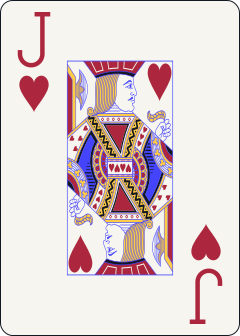
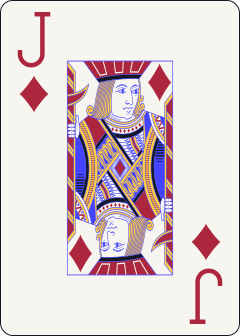
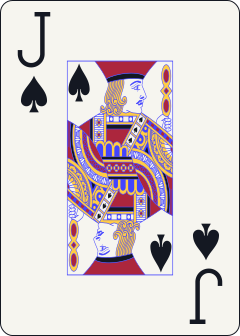
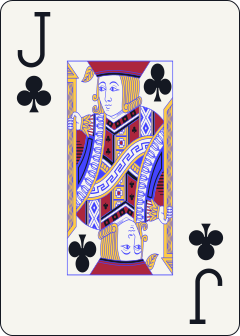
Two bowers give control, but count the rest of the hand too. An off-suit ace or a void with trumps can supply the third trick. Ordering up strengthens the dealer, which matters differently when that seat is your partner. The practice advisor gives a heuristic estimate, not a promise.
Use next as a clue
In round two, the other suit of the turned card's colour is called next; an opposite-colour call crosses it. These are useful ideas for reading the auction, not rules forcing a call. A pass is evidence of uncertainty, not proof that a player holds no good cards.
Help a winning partner
Follow cheaply when your partner's card is already safe. As maker, draw opposing trumps when you have control. As defender, an off-suit ace or singleton may offer a better lead. Keep the left bower in your trump count.
Use the three levels
Easy makes simple calls and often plays high. Standard estimates strength and coordinates legal tricks. Expert compares possible unseen hands consistent with public play, using calls as soft evidence. No computer sees the actual other hands, hidden kitty or someone else's discard. Your partner uses the selected level too.
Versions of Euchre
This table offers stick the dealer, Canadian loner, defend alone and Benny on a five-card, four-player game to ten. Cutthroat removes partnerships, six-player games change teams and deck size, and British tables often use Benny and different lone-hand leads or targets. Those other formats are described here, not selectable game modes.

 HopPool
 HopGolf
 HopParkour
 HopSmash