CanastaPractice
Your table is ready

Build seven-card canastas together.

Classic Canasta · draw, meld and discard.

Y
YouReady to play
0pts

Practice against the computer

FREE ONLINE CARD GAME

Canasta Card Game

Two decks. Four players.
Seven cards make a canasta.

Play Classic Canasta free with a computer partner or choose a two-player game. Pick Easy, Standard or Expert, build seven-card canastas, and follow the live opening minimum and discard-pile explanation. Ask your partner before going out if you want a binding answer. No account or download.

Classic Canasta · 2 or 4 seats · First to 5,000

Updated

New to Canasta? Learn the rules

MAKE SEVEN TOGETHER

How to play Classic Canasta

Build melds of one rank, complete canastas and count the cards left behind. Play four seats with a partner opposite, or two seats individually. This is Classic, with the rules stated here.

01

Draw, meld, discard

Two decks and four jokers make 108 cards. Four players receive eleven each; two receive fifteen and draw two per turn instead of one. Deal rotates. Red threes expose and replace automatically. Start by drawing from stock or taking a legal whole pile. Meld if you wish, then discard one card.

02

Open with enough points

A new meld needs three cards, at least two naturals of one rank from fours to aces, and no more than three wilds. Twos and jokers are wild; runs and wild-only groups are not used. Your side's first batch must meet its minimum, and may include several ranks at once. Select all the groups together before pressing Meld.

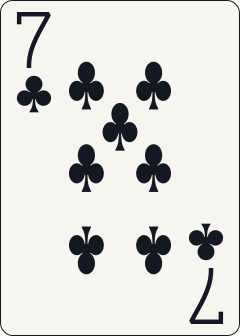
King worth ten card pointsSeven worth five card points

The live counter counts card points, not bonuses.

03

Read the pile

A wild or red three buried in the pile freezes it. Your side also treats it as frozen until opening. You need two matching naturals in hand and must meld the top immediately; the buried cards arrive afterward. Unfrozen, a natural plus a wild or an existing team meld also works. A black three blocks only while on top.

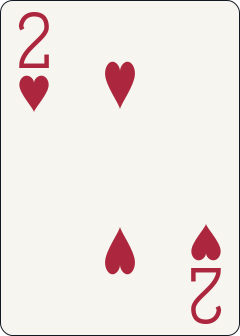
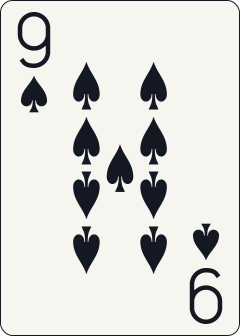
A discarded two freezes the pileNatural nine becomes the top discard

Only the top and your own cards can prove the pickup.

04

Complete a canasta

Seven or more cards in one meld form a canasta. Natural has no wilds and earns 500; mixed has one to three and earns 300. Cards keep their values too. Melds can grow, and a wild added to a natural canasta turns it mixed. Your side has one meld per rank, shared by partners.

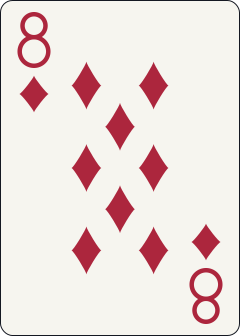
Seventh natural eight completes a natural canasta

The canasta tile names its type and bonus.

Going out and the partner question

Use every card, with or without a final discard, and have the required canastas. Auto needs one for partnerships and two individually; Options can explicitly set one or two. Black threes may form a pure group of three or four only in the final play.

Asking partner is optional. Preview a complete final play and choose Go out now, or Ask partner first immediately after drawing/pickup, before further melding. A Yes plays that proposal immediately. A No leaves its cards unplayed and forbids going out this turn; keep at least a card after discarding. Requests need at least two held cards so No leaves a legal way to continue. A one-card player may go out directly.

Concealed and the stock

A concealed finish earns 200 total: no personal meld on an earlier turn, no additions to partner's earlier melds, and a complete new canasta this turn. A final-turn pile pickup is allowed but must meet an opening minimum. A concealed stock-draw finish waives that minimum; exposed red threes do not spoil it.

With empty stock, a legal unfrozen top matching a team meld must be taken. Otherwise take a legal pile or choose Draw to end the hand. Drawing a lone last red three ends immediately, with no meld/discard. In two-player, gaining one ordinary card from the last two cards completes a one-card draw; gaining only red threes without replacements ends the hand.

CARDS PLUS BONUSES

Canasta scoring

Jokers are 50; twos and aces 20; eights through kings 10; fours through sevens and black threes 5. Add melded card values and canasta bonuses, then subtract both partners' remaining cards. Red threes give 100 each or 800 for all four, negative if your side never melded. Ordinary out earns 100; concealed earns 200 in total.

Minimum opening: 15 when below zero; 50 from 0 to 1,495; 90 from 1,500 to 2,995; 120 at 3,000 or more. The minimum is based on the score before the hand. Red threes and canasta bonuses do not help meet it. Only the pile's top may count in an opening pickup.

For example, seven natural kings give 570, a meld of three sevens 15, one red three 100 and ordinary out 100. With 40 left in partner's hand, the side earns 745. The scorecard separates these components. A hand ending from stock has no going-out bonus.

Finish the hand before checking 5,000 or 2,500. If both sides cross, higher total wins; equal totals share. Single hand ends after one hand at the higher total, even below zero. There is no instant loss at −2,000.

Natural canasta
500 plus cards
Mixed canasta
300 plus cards
Red three
100 800 for all four
Go out
100 200 concealed total

PLAY FOR THE SIDE

Canasta strategy

Keep the minimum in view

Three kings and three sevens make only 45. A joker can make an opening easier, but spending it changes the chance of a natural canasta later. Select several ranks as one batch when needed; do not rely on buried pile cards to open.

Weigh the whole pile

A useful top can hide a large hand penalty. Check how many cards fit your melds or pairs before taking everything. When your opponent has a meld matching your discard, an unfrozen pile may be taken without a pair. A black three stops that pickup; a wild freezes future pickups rather than making the pile permanently safe.

Ask before committing

Your partner's remaining cards count against your side. An optional No can buy time for another canasta or a heavy hand to be melded. Use that next turn to make progress. The final preview shows exactly what will be played, including its discard and out bonus.

Choose a level

Easy lays obvious groups early and usually discards high, sometimes throwing a wild. Standard opens efficiently, builds canastas and avoids feeding opposing melds. Expert counts public ranks and pickup knowledge, prioritises canasta projects and estimates discard risk. Two-player also compares discards across eight sampled next-opponent turns in a background worker. If that worker is unavailable, it uses Standard. These are estimates, not access to actual hidden hands or stock. All computers, including partner, use the selected level.

Classic rules differ between groups. Pagat and Bicycle describe the Classic rule family used here. We disclose the opening, wild, stock and finish choices above. Modern American, wild canastas and three-player formats are separate rulesets.

QUICK ANSWERS

Canasta FAQ

Where can I play Canasta online for free?

Practice here against computers without a download or account. Choose two players individually or four with a partner, and Easy, Standard or Expert.

How do I play Canasta here?

Draw or legally take the pile, optionally meld, then discard. Build same-rank groups into seven-card canastas. Use the live minimum and pickup explanation, and preview your final play when ready to go out.

What is a natural or mixed canasta?

Seven or more cards in one meld. No wilds means natural for 500 bonus; one to three wilds means mixed for 300. Melded card values count as well.

What freezes the pile?

A buried wild or red three, or your side not having opened. A frozen pickup needs two matching naturals in your hand. A black three blocks only while on top; once covered it does not freeze the pile.

What do red and black threes do?

Red threes expose automatically and are replaced when dealt or drawn, but not when taken in the pile. They give 100 each or 800 for all four, negative without a team meld. Black threes stop pickups while on top and meld only as three or four in a final go-out play.

What is the first-meld minimum?

15 below zero, 50 below 1,500, 90 below 3,000 and 120 thereafter. One batch may include several ranks. Count cards only, plus the top discard when picking up; not bonuses or buried cards.

Can two people play?

Yes. Choose Two in Options: fifteen cards each and a draw of two. Auto needs two canastas to go out, compared with one in partnerships. Explicit One or Two overrides Auto. Three players are not supported.

Is this Classic or Modern American Canasta?

Classic. Modern American commonly uses a different deal, opening minimums and target, with other meld restrictions. It is not an option on this table.

How long is a match?

It depends on melds, pickups, sets of canastas and the target. Choose Single hand for one scored hand or 2,500 instead of 5,000 for a lower target. Practice can be resumed after reload.

Must I ask my partner before going out?

No. Asking is optional, immediately after drawing/pickup and before further melding. Yes commits your previewed final plan; No leaves it unplayed and prevents going out this turn. You need at least two held cards to ask safely. With one card, go out directly when legal.

Can there be more wilds than naturals?

Yes, at this Classic table a meld needs at least two naturals and at most three wilds. Two naturals plus three wilds is legal. Some groups use a natural-majority restriction instead; that rule is not used here.

Can I play with friends?

Practice fills empty seats with computers. To play with friends, open a HopLobby lobby and send one link: our party games run in the browser too.

Can the computer see my hand?

No. Each computer receives only its own cards and public information: melds, threes, discard pile, counts and known public pickups. Difficulty changes decisions rather than the deal or legal rules.

More card games

All 35 card games

CARD NIGHT WITH FRIENDS?

Bring everyone to HopLobby.

HopLobby is free party games in your browser. Open a lobby, send one link, and your friends join from any phone or computer, with nothing to install.

Create a lobby

CLASSIC CANASTA · TWO DECKS

Canasta at this table

Four partners hold eleven cards each; two individuals hold fifteen and draw two instead of one. Red threes expose and replace automatically. Draw from stock or take a legal whole discard pile, optionally meld, then discard one.

Meld one rank from fours to aces: at least three cards, at least two naturals and no more than three wilds. Twos and jokers are wild. Seven or more makes a canasta: natural 500, mixed 300. Initial minimum is 15 below zero, 50 below 1,500, 90 below 3,000 and 120 thereafter. Several melds can form one opening batch.

A frozen pile needs two matching naturals in your hand. An unfrozen pile also allows a natural plus wild, or adding the top to a team meld. Only the top and your hand cards count toward opening, never buried cards. A wild or black three on top blocks taking; a buried wild or red three freezes. Covered black threes do not freeze.

Going out needs the chosen canastas: Auto means one for partners, two individually. Asking partner is optional, immediately after drawing/pickup before further melding. Yes plays your validated final plan; No leaves it unplayed and forbids going out this turn. Concealed needs a complete new canasta and no prior personal meld or addition to partner's old melds.

Cards count plus when melded and minus in hands. Red threes give 100 each, 800 for all four, negative without a team meld. Out gives 100, concealed 200 total. Stock exhaustion can end without an out bonus. First to 5,000/2,500 after a hand; higher total wins, ties share. Single hand ends at the highest total.

Read the full rules ↓
YOUR FINAL PLAY

Preview going out

Go out now, or ask your partner before committing these cards. A Yes plays this plan immediately; a No keeps it unplayed and binds the turn.