Gin RummyPractice
Your table is ready

Take a seat.

Ten cards each. Reduce deadwood, then knock or go gin.

Y
YouReady to play
0pts

Practice against the computer

FREE ONLINE CARD GAME

Play Gin Rummy Online

Ten cards each.
Knock, or go gin.

Play classic two-player Gin Rummy free against the computer with no download or sign-up. Choose Easy, Standard or Expert, watch your deadwood count live, knock at 10 or less, and play to 100 points.

Classic Gin Rummy · 2 seats · First to 100

Updated

New to Gin Rummy? Learn the rules

HOW TO PLAY

Gin Rummy rules

Two players, ten cards each. Build sets and runs in your hand, then knock with little deadwood or go gin with none.

Play a practice hand ↑
01

Take the upcard, or pass

Deal ten each and turn the next card face up. The non-dealer chooses first; a pass gives the dealer a choice. If both pass, the non-dealer must draw from stock. Normal turns then begin with a stock draw or the top discard. Finish each turn by discarding a card, except the discard you just took.

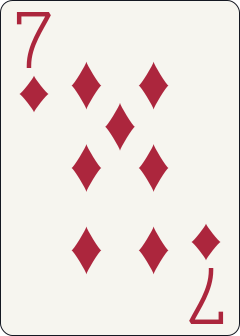
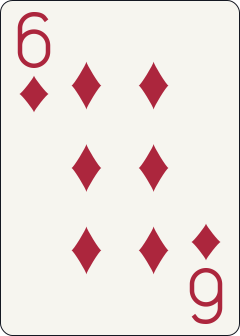
The seven of diamonds upcardSix of diamonds could join a suited run

The first upcard is offered before normal drawing.

02

Reduce deadwood, then knock

A set is three or four of one rank. A run is at least three consecutive cards of one suit. A card belongs to only one meld; aces run low in A–2–3, never Q–K–A. Deadwood is the value of the unmatched cards. Group melds shows the minimum, even when sets and runs overlap.

After drawing, select one discard. Knock enables when the other ten cards have at most ten deadwood. You can choose a different legal layout in the menu. Knocking is optional. With zero deadwood, the button says Gin. With Big Gin on, all eleven cards can be melded without discarding for the larger bonus.

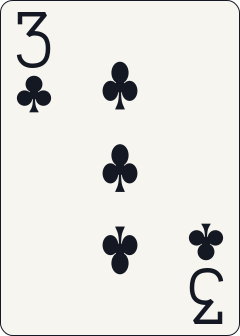
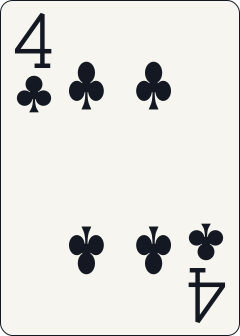
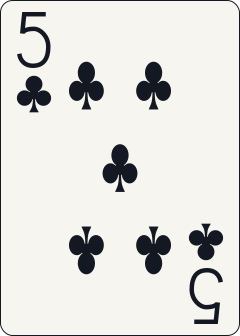
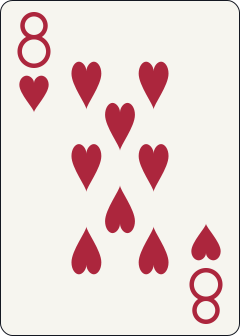
Three of clubsFour of clubsFive of clubs completes the runAn unmatched eight is eight deadwood

Knock is checked after the chosen discard.

03

Lay off, then compare deadwood

A non-gin knocker shows their melds and deadwood. The opponent can extend those melds with unmatched cards: a fourth matching rank, or a suited card at either end of a run. Choose the target, select cards and press Lay off. Then finish to score. Your own remaining cards are arranged for the least deadwood; the knocker never lays off on your melds.

If the opponent's final deadwood is equal to or below the knocker's, the opponent undercuts. After Gin or Big Gin there are no layoffs, and the gin player cannot be undercut. Review best layouts after the hand to see the cards arranged.

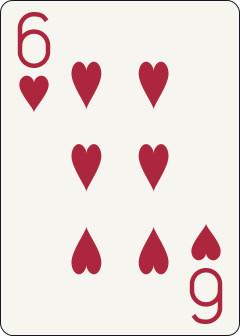
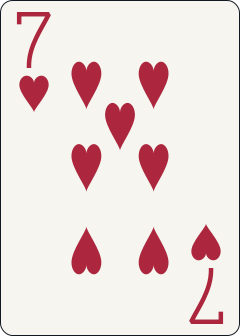
Six of hearts can extend the runShown seven of heartsShown eight of heartsShown nine of hearts

Only the knocker’s shown melds may be extended.

Stock, Oklahoma and dealing rules

If the third-last stock card is drawn, that player may still knock or declare Big Gin. An ordinary discard instead leaves two stock cards and voids the hand: no score, same dealer. The first dealer is random; after a scored hand, its loser deals.

Our Oklahoma option sets the knock limit from the original upcard (faces ten, ace gin-only). This table does not double spade hands. Big Gin may be switched off. Hollywood scoring, team Gin and other variants are outside these four options.

HAND POINTS, THEN BONUSES

Gin Rummy scoring

Ace 1, cards 2–10 face value, jack/queen/king 10. A normal successful knock scores the difference in deadwood. At this table the default Gin and undercut bonuses are both 25; the alternative is Gin 20, undercut 10.

Example: you knock with eight and your opponent has twenty after layoffs. You score 12. If they finish with five instead, they undercut for 3 + 25 = 28. Gin scores their whole deadwood plus 25; Big Gin adds 31 instead.

When someone's hand points reach 100 (or 250), finish the match. Both players add a line bonus for each hand won: 25 by default, 20 in the alternative set. The target-reaching player adds a 100-point game bonus. If their opponent won no hands, their hand points are doubled before the line/game additions.

The highest final total wins here. Many line bonuses can theoretically reverse the hand-point order; the table shows every addition. Those bonuses do not count toward reaching the target. Equal final totals share the win. Other tables use different end bonuses and winning conventions.

Knock
Difference in deadwood
Gin
+25 or +20
Big Gin
+31 no discard
Undercut
+25 or +10
Game bonus
+100 after target

KEEP YOUR OPTIONS

Gin Rummy strategy

Keep cards that work together

A pair or two nearby suited cards can become a meld. An isolated king is ten deadwood. Use Group melds to check alternatives when one card could belong to a set or run; choosing the longest visible run first does not always give the best hand.

Notice public takes and passes

A taken seven may connect with another seven or a suited neighbour. That is evidence, not certainty. Every level sees only its own cards and public events. Neither the stock nor an opponent's hand is visible before the appropriate reveal.

Weigh the risk of knocking

Knocking at ten can end the hand before the other player improves, but it also lets them lay off and undercut. A run with open ends can take several of their cards. Gin blocks that escape. There is no rule forcing a knock just because the button becomes available.

Try the three levels

Easy misses some good draws, sometimes discards randomly and knocks early. Standard finds low-deadwood arrangements and keeps live combinations. Expert also weighs public takes/passes, possible layoffs and a bounded lookahead at future draws. The same deck and scoring rules apply to every level.

QUICK ANSWERS

Gin Rummy FAQ

What is deadwood?

Cards outside your chosen sets and runs. Aces are one, faces ten, other cards face value. The counter shows the least deadwood available; after drawing it also shows what remains after a selected discard.

When can you knock?

After drawing, select a discard and leave no more than ten deadwood. Oklahoma uses the original upcard's value instead, with an ace requiring Gin. A just-taken discard cannot be returned. Knocking is optional.

What is going gin?

Discard and leave ten cards entirely in melds. Your score is the opponent's deadwood plus 25 by default, or 20 with the alternative bonus set. They cannot lay off or undercut.

What is Big Gin?

All eleven cards after your draw are melded. Declare without discarding for the opponent's deadwood plus 31. It is enabled by default and can be switched off.

What is an undercut?

After a non-gin knock and any layoffs, the opponent has equal or less deadwood than the knocker. They score the difference plus 25 by default, or 10 with the alternative set.

How do I lay off cards?

Choose one of the knocker's shown melds, select the cards that extend it and press Lay off. Done with lay-offs scores the hand. You cannot lay off on deadwood, make a new meld with the knocker's loose cards, or lay off after Gin.

How do line, game and shutout bonuses work?

At the hand-point target, each player adds the per-win line bonus and the target-reaching player adds 100. A shutout doubles that player's hand points before those bonuses. Here the highest final total wins, so sufficient line bonuses can reverse the order. These are table choices, and other variants differ.

What is the difference between Gin Rummy and Rummy?

Gin is a two-player game with ten cards and private melds until a knock. Rummy allows more players and melds on the table during play. Their scoring and ending rules differ.

Can more than two people play here?

This table is two-player Gin against one computer opponent. Other Gin variants use extra players or partnerships; Rummy suits a larger table.

What happens when the stock runs out?

It stops at two cards. The third-last draw can still end in a knock or Big Gin; a normal discard voids the hand instead. Nobody scores, and the same dealer deals again.

Is Gin Rummy free without a download or sign-up?

Practice is free in your browser against the computer. No account or download is needed.

How good are the computer opponents?

Choose Easy, Standard or Expert in Options. Easy makes deliberate slips, Standard reduces deadwood and keeps useful combinations, and Expert also uses public-card evidence and bounded draw lookahead. No level sees the opponent's private hand or stock.

More card games

All 35 card games

CARD NIGHT WITH FRIENDS?

Bring everyone to HopLobby.

HopLobby is free party games in your browser. Open a lobby, send one link, and your friends join from any phone or computer, with nothing to install.

Create a lobby

TEN CARDS · SETS AND RUNS

Gin Rummy at this table

Each player gets ten cards. The non-dealer may take the first upcard or pass, then the dealer may take or pass. If both pass, the non-dealer must draw stock. After that, draw stock or discard, then discard a different card. Never return a discard you just took.

Make sets of three/four or suited runs of at least three. Aces are low. Unmatched cards are deadwood: ace 1, faces 10, others face value. Select one discard to enable Knock when the remaining deadwood is within the limit. The layout menu lets you change your declaration. Zero deadwood is Gin; Big Gin melds all eleven without a discard.

After a non-gin knock, the opponent may lay off on the shown melds. Equal or lower opponent deadwood undercuts. Gin and Big Gin block layoffs. The stock reaching two cards voids a hand after an ordinary discard; same dealer, no points.

Options set bonuses, Big Gin, target and Oklahoma. Oklahoma uses the original upcard's value as the limit; ace requires gin, with no spade doubling here. Reaching the hand-point target ends the match; line, game and shutout bonuses then decide the final total.

Read the full rules ↓