Count sure tricks first
Before you bid, count the cards that win almost whatever happens: the ace and king of trump, the queen of trump with both above it in your hand, and side-suit aces in long rounds. Add a little for a long trump suit and for a short side suit you can trump. The bid helper on the table does this sum for you and shows it as "≈ 2.1 expected tricks".
Read the over / under meter before you bid
The meter compares the bids so far with the tricks in the round. When the table is over, everyone is chasing tricks and some will fail, so a marginal card is less likely to win: shade your bid down. When the table is under, tricks will go begging and someone has to take them: be ready to win one more than you hoped.
Bidding as the hooked dealer
The dealer sees every other bid but loses one number. If the blocked number is your honest estimate, choose the neighbour you can reach most easily. With low cards, going one under is usually safer than one over, because ducking is easier than winning.
Duck once your bid is made
When you have your tricks, play your highest card that still loses: under the card that is winning when you follow suit, and your dangerous side-suit aces and kings when you cannot follow. Keep low cards for the end, when you may be forced to lead.
Force tricks onto an over-bid table
If the bids add up to more than the tricks, the other players need tricks they may not get. Lead suits where they must win or lose against their wishes, and let a player who has already made their bid take a trick they do not want.
The one-card round
One card, one trick. A trump or an ace is worth a bid of 1 only when it is likely to hold: a low trump loses to any higher trump, and a side ace loses if someone is void and trumps it. If you lead, your card only has to beat the cards that follow it.

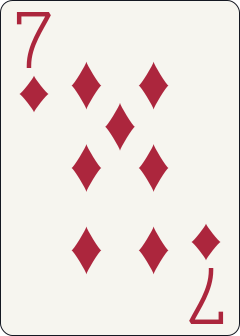 Turned up: diamonds are trump
 HopPool
 HopGolf
 HopParkour
 HopSmash