Lead from your longest suit
Your long suit is where your extra tricks are. Once the high cards in it have gone, your small cards in that suit win too, as long as the opponents have run out of trumps. A common lead is the fourth-highest card of that suit: it keeps your top cards back and tells your partner where your length is.
Count the trumps
There are thirteen trumps. Count each one as it falls, including the turned-up card, which you know is in the dealer's hand. When you know the opponents have none left, every winner in your hand is safe to cash. A player who does not follow suit has shown a void: remember it, because that player can trump the suit next time.
Lead trumps when your side is strong in them
With five or more trumps, lead them early. Each round pulls the opponents' trumps, so your long suit can run later without being ruffed. With few trumps, do the opposite: keep them to win tricks in suits you are short in.
Second hand low, third hand high
Playing second, you usually play low: your partner still plays after you. Playing third, play high to win the trick or to force out the opponents' top card. Playing last, win as cheaply as you can, or throw your least useful card.
Help your partner
When your partner is already winning the trick, do not overtake: play low and save your high cards. When you get the lead and your partner led a suit earlier, lead it back. They led it because they are long or strong in it.
Throw from your short suits
When you cannot follow and do not want to trump, throw a low card from a short suit. Emptying a suit lets you trump it later, and it keeps your long suit intact for the end of the hand.

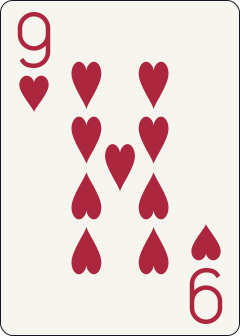 Turned up
 HopPool
 HopGolf
 HopParkour
 HopSmash