What a bid of 2, 3 or 4 needs
Count each point in your best suit as if it were trump. The ace is High for certain, since nothing can beat it. The two is Low for certain when Low goes to its holder. A king or a three is a good chance, not a sure thing: only 24 of the 52 cards are dealt, so the ace or the two is out there less than half the time. The jack counts when you can protect it with a higher trump. Game leans toward the side with more trumps and more tens. Two likely points is a 2 bid; three solid ones, usually ace plus two plus a protected jack, is a 3. Save the moon for hands like A, K, J, 2 of one suit: they are rare, and the Standard computer only shoots with one.
Pitch your highest trump
Your first card names trump, so lead the top of your long suit. An ace pitched wins High at once and pulls a trump from each opponent. Keep pulling trumps while your side holds the top ones; every trump the opponents lose is one that cannot capture your jack or your tens later.
Protect the jack
The jack of trump is beaten by the ace, king and queen. Hold it back until those are gone or in your hand, then lead it or play it on a trick your partner is winning. As a defender, play your top trumps when the bidder leads the jack's suit; catching the jack is a point and often a set.
Feed tens to your partner
A ten counts 10 toward Game, as much as the ace, king, queen and jack of its suit put together, so tens decide Game. When your partner is sure to win a trick, play a ten or an ace into it. When an opponent is winning, keep your tens and throw a low card instead, unless you can trump and take the trick yourself.
Let the opponents have Low when it is cheap
Under the default rule Low belongs to whoever was dealt it, so there is nothing to protect: never waste a high trump guarding your two. If the option "Low to taker" is on, a bare two is at risk; play it on a trick your side is winning, or let it go rather than spend your ace on it. One point is cheaper than being set.
Bidding as the dealer
You speak last and may equal a 2 or 3, so you can take the bid with a hand that only matches it. When the others pass and you are stuck, pitch your strongest suit's top card. A 2 needs only High and Game or High and Low, and your partner can help with Game.
Defending against a bid
Every point you take is yours to keep, and two points stop a bid of 3. Save your trumps for the bidder's leads that carry tens or the jack, and trump side-suit tens when you can. When the score is close to the target, a set can matter more than your own points.

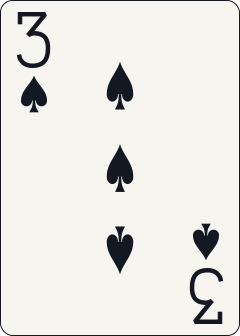
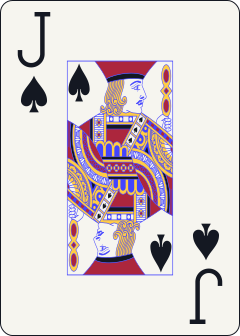
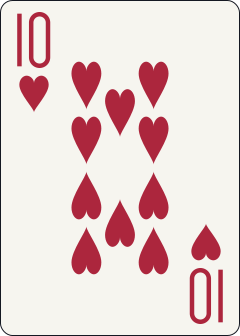
 Bidder's hand
 HopPool
 HopGolf
 HopParkour
 HopSmash