500Practice
Your table is ready

Take a seat.

Ten cards. Three in the kitty. Bid to500; defend for10 per trick.

Y
YouReady to play
0pts

Practice against the computer

FREE ONLINE CARD GAME

500 Card Game

Ten cards. Three in the kitty.
Bid the table and make it.

Play Five Hundred, the partnership trick-taking game (not Rummy 500), free against three computer opponents with no download or sign-up. Bid on the 40–520 table under Australian rules, pick up the kitty, and play with the Joker and bowers on top. Choose Easy, Standard or Expert opponents.

Classic 500 · 4 seats · First to 500

Updated

New to 500? Learn the rules

HOW TO PLAY

Bid for the kitty.
Win with your partner.

This is Five Hundred, the four-player partnership trick-taking game. It is not Rummy 500. Partners sit opposite. Use 43 cards: red 4s through aces, black 5s through aces, plus one Joker. Ten cards each, three in the kitty.

Play a practice hand ↑ · Looking for Rummy500? This table uses partnership rules; classic Rummy is a separate game in the collection.

01

Bid the table, then make it

Each bid names6–10 tricks and a suit or no-trump. Values rise from spades through clubs, diamonds, hearts and no-trump. For example6♠40 is below7♣160, which is below7♥200. In Australian bidding, passing drops you out. American bidding gives each seat one turn.

A higher bid wins the auction, not the next trick.

02

Count both bowers as trump

With hearts as trump: Joker, J♥ right bower, J♦ left bower, then A♥. The left bower counts as a heart for following suit. If clubs are led while you hold a club and the jack of spades in a clubs contract, both are clubs; follow with either.

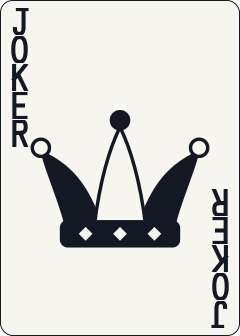
Joker ranks above the right bower, left bower and ace.

03

Name a suit when leading the Joker

In no-trump or either misère, the Joker is the only trump. You can play it to a trick only when you cannot follow the led suit. If you lead it, name a suit for everyone else to follow. The Joker wins.

A Joker lead nominated as spades makes opponents follow spades.

Kitty, follow suit and the end of a hand

The auction winner takes the three kitty cards and discards three face down. Select exactly three cards, then Discard 3. Bidder leads. Follow the effective suit if possible; otherwise play anything. Highest trump wins, or highest in the led suit. Winner leads next. Ten tricks finish the hand. Four passes score nothing and pass the deal clockwise.

Last trick shows the previous four plays. Claim the rest appears only outside misère and works only on lead when every card held is certain to win against every unseen card. The claim is conservative; the engine never inspects true opponent hands to approve it.

Misère and open misère

Misère is a bid to take no tricks, worth 250. A 7-level or higher bid must already have been made, and the high auction rank must still be below 250. Open misère scores 500 and ranks between 10♥ and 10NT. Both require the Misère option. The partner sits out with a hidden hand; the bidder faces two defenders. Open misère turns the bidder's remaining cards face up after the first trick. If the bidder takes any trick, the hand ends immediately as set.

BID VALUES

Forty to five-twenty.
Every trick matters.

500 bid table · sometimes called the Avondale schedule
Tricks♠♣♦♥NT
6406080100120
7140160180200220
8240260280300320
9340360380400420
10440460480500520

Make at least the bid's tricks: add its value. Fall short: subtract its value. Overtricks add no contract points. All ten tricks is a slam worth at least 250: a 6♠ slam scores 250, an 8♥ slam scores 300. Defenders earn 10 per trick.

Misère made/set is+250/−250; open misère is+500/−500. Defenders score nothing on either. Must bid to win is on by default: defender points stop at 490. At 480 with three defensive tricks, score 490; with that option off, score 510 and win. A made contract may pass 500. Reach at least 500 or send a team to−500 to end the match. If both teams reach 500 together, the made-contract team has priority.

Example:8 hearts, seven tricks

The contract is 300. Taking seven tricks sets the bidder for−300. The defenders took three and add 30, subject to the 490 cap. The per-hand scorecard records both changes and the contract.

BEFORE YOU BID

Count winners.
Leave room for the kitty.

01

Find your real trumps

Joker and bowers are much more useful than raw suit length. The left bower moves suit. Off-suit aces and a short suit can help your partnership; do not count every face card as a trick.

02

Bury with a plan

Keep useful trumps and aces, and shorten an off suit so you can ruff. For misère, high cards become liabilities. The kitty helps, but there is no guarantee its three cards improve your hand.

03

Defend for tens

Every defensive trick earns 10 even when the contract is safe. Avoid overtaking a winning partner unless you have a clear reason. Expert uses bounded sampled hidden deals, not club bidding conventions or perfect knowledge.

Practice Suggested bid is automatic advice: these matches are recorded as assisted. Explicit Hint and Undo are practice-only. Expert searches in a Worker; if unavailable it falls back to Standard so the table can continue.

QUICK ANSWERS

500 questions

Is this the same as Rummy 500?

No. This is Five Hundred, the partnership trick-taking game with bidding, a kitty and the Joker. Rummy 500 is a draw-and-discard melding game played to 500 points. If that is the game you wanted, our Rummy page plays classic Rummy.

What are the 500 rules for 4 players?

Four players in two partnerships use a 43-card pack: 5 up to ace in spades and clubs, 4 up to ace in diamonds and hearts, plus one Joker. Each player gets 10 cards and three go to the kitty. Players bid for the right to name trump, the winner takes the kitty and discards three, and ten tricks are played. The bidding team scores its contract value if it makes the bid and loses it if not; the other team scores 10 per trick. First to 500 wins.

Can 2 people play 500?

Not here. This table is the four-player partnership game. Two-player 500 exists as a home variant with a different deck and a dummy hand, but it is not part of this version.

What is the 500 bid table?

Each bid is a level from 6 to 10 and a trump, and each has a fixed value: spades 40, clubs 60, diamonds 80, hearts 100 and no-trump 120 at the six level, with 100 added for every level above six, so 10 no-trump is worth 520. Misère is worth 250 and open misère 500. Every bid must rank above the one before it; open misère ranks above10 hearts and below10 no-trump, while scoring500. The whole table stays on screen while you bid.

What is misère, and what is open misère?

Misère is a contract to take no tricks at all, worth 250; you may bid it only after someone has bid at the seven level. Open misère is the same contract for 500, with your hand turned face up after the first trick. In both, your partner sits out and you play alone. If you win a single trick the hand ends and you lose the contract value.

How does the Joker work, including in no-trump?

In a suit contract the Joker is the highest trump. In no-trump it is the only trump: you may play it only when you cannot follow the suit led, and it wins the trick. If you lead it, you name the suit the others must follow. In misère the same rule applies, which is why misère bidders are glad to discard it to the kitty.

What are the right and left bowers?

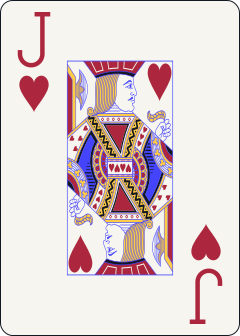
The jack of the trump suit is the right bower and the jack of the other suit of the same colour is the left bower. They are the second and third highest trumps, below the Joker and above the ace. The left bower counts as a trump for following suit, so with hearts as trump the jack of diamonds is a heart.

How is 500 scored, and how do you win?

Make your contract and your team scores its table value; a slam of all ten tricks scores at least 250. Fall short and you lose the value. The defending team scores 10 for every trick it takes, except in a misère. With "must bid to win" on, trick points cannot carry a team past 490, so you need a made contract to reach 500. The first team to 500 wins; a team that falls to minus 500 loses.

What is the difference between Australian and American bidding?

Australian bidding, the default here, goes round and round: you may keep raising until you pass, and once you pass you are out of the auction. American bidding gives each player one bid, with the dealer last. Switch between them in Options.

Can I play 500 online with friends?

The practice table on this page stays free. To play with friends, open a HopLobby lobby and send one link: our party games run in the browser too.

Can I play the 500 card game against a computer?

Yes. Free browser practice has three opponents with Easy, Standard and Expert levels. Expert samples unseen cards in a Worker; it never reads the true other hands and does not use club partnership conventions.

Can you lead with trump in 500?

Yes. Trump does not need to be broken. The bidder leads the first trick and may lead any card. A led Joker in no-trump or misère requires a suit nomination.

What card game is like 500?

Euchre also uses bowers, Bid Whist combines bidding and a kitty, and Bridge uses partnership auctions. This page plays four-player Five Hundred, not Rummy 500.

More card games

All 35 card games

CARD NIGHT WITH FRIENDS?

Bring everyone to HopLobby.

HopLobby is free party games in your browser. Open a lobby, send one link, and your friends join from any phone or computer, with nothing to install.

Create a lobby

500: bid, bury, make the contract

  1. Four players, partners opposite. Ten cards each and three in the kitty.
  2. Bid6–10 in a suit or no-trump, or pass. Australian passes drop out; American bidding gives one turn each.
  3. The bidder takes the kitty and discards exactly three. Bidder leads; follow suit if possible.
  4. Joker, right bower and left bower are top trumps. Make the bid to score its value, or lose it. Defenders get10 per trick.

Misère means take no tricks, alone. Open misère exposes the bidder's hand after trick1. With must bid to win on, defenders stop at490. Reach500 or send the opponents to−500 to win.

This is partnership Five Hundred, not Rummy500. Read the full rules